   |
| |
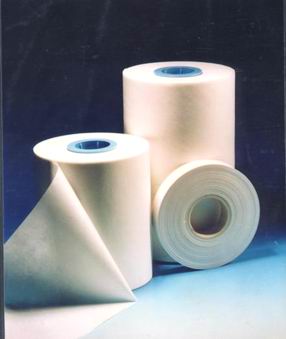
Breathable film has today emerged as a very popular packaging material. Breathable films are produced by compounding a PP or PE resin with mineral filler. The film is then stretched mono or bi axially to create micro pores in the cast film. In a subsequent process this breathable film can be laminated with a nonwoven web using adhesive or a point-bonding calendar to produce a soft, textile like composite. Breathable films, the ability of extruded films to allow the gases to escape, but retain the larger water molecules, inhibiting the dehydration process. |
Characteristics
- The film offers high strength and high resistance to puncture.
- They are flame retardant and provide UV stability.
- They provide additional comfort without reducing the barrier properties of the film.
- They extend shelf life by limiting oxygen supply, slowing the live product’s respiration rate, and thus retarding spoilage.
- They have excellent resistance to hydrolysis and remarkable mechanical strength.
|
Applications
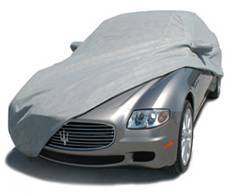
As it allows air ventilation, the film prevents festering. It is widely used as a back sheet for waterproof pads, such as Car protection cover, disposable Baby diapers and adult diapers and sanitary napkins for women.
With its superior waterproof and ventilation functions, it is used as a material for disposable hygienic products. Recently, utilizing non-woven fabric, it is applied to products to improve cloth-like film. |
 |
 |
 |
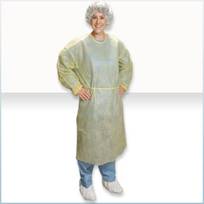
| Gowns |
Car protection cover |
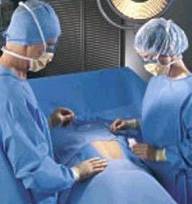
Surgical drapes | |
Breathable films and packaging
One common use for such films is to make packaging materials. Salad mixes and other vegetables can be packaged in breathable films tailored to their respiration rates for a couple of years. Packaging materials are available in varied forms like packaging pouches, packaging rolls, packaging bags which can be used for packing vegetables and fruits so as to keep them fresh and hygienic. Retailers have nowadays gone for increased use of breathable films for packaging. | |